Cash vs. cashless betting: what do customers actually want?
Digital payments are becoming part of everyday life, but cash isn’t disappearing. In fact, around one in seven US consumer payments are still made in cash.
For sportsbook operators, that raises an important question. Should retail betting be moving towards a cashless future, or do customers still want the choice?
The answer may depend on who, and where, your customers are.
Cash is proving surprisingly resilient
It would be easy to assume that as digital payments grow, cash use will simply continue to decline. The data suggests otherwise.
According to the Federal Reserve’s 2026 Diary of Consumer Payment Choice, around one in seven US consumer payments are still made in cash, making it the third-most-used payment method for the sixth consecutive year.
Previous Federal Reserve research also found that consumers made an average of seven cash payments per month in 2024, unchanged from 2020, while more than 90% planned to continue using cash either for payments or as a store of value.
While these figures cover consumer payments generally rather than sports betting specifically, they show that cash remains relevant even as digital payment options grow.
Cashless matches changing customer expectations
Of course, sportsbook operators can’t ignore the shift towards digital payments.
Customers are increasingly accustomed to tapping a card or phone to complete everyday transactions. Bringing that convenience into a retail sportsbook can help create a faster, more familiar experience.
Cashless payments can also offer operational benefits, reducing some of the processes associated with handling, storing and reconciling physical cash.
But convenience doesn’t necessarily mean every customer wants the same thing.
Different customers want different things
Payment preferences can vary by customer, demographic, market and venue.
A bettor in a casino may have different expectations from someone at a racetrack, stadium or dedicated sportsbook. Some may expect contactless payments as standard, while others prefer the familiarity and simplicity of cash.
For operators, understanding those differences matters more than trying to predict whether cash or cashless will ultimately “win.”
Look at how customers actually behave. Which payment methods are they using? Where is friction occurring? What would make placing a bet easier?
Why flexibility matters
The strongest approach may simply be to offer choice.
Supporting cash and cashless payments allows customers to use the method they prefer, while giving operators the flexibility to adapt as behaviors change.
That puts greater importance on the technology behind the experience.
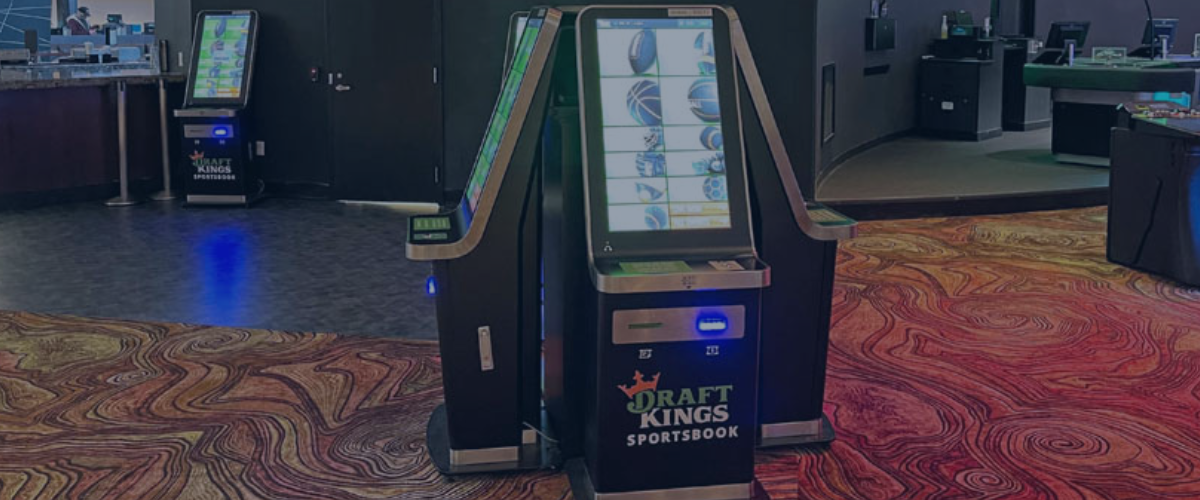
Self-service kiosks need to integrate the right payment technology, scanners, printers and other components without creating a complicated customer journey. Just as importantly, operators need hardware that can adapt as their requirements evolve.
The Whizz range offers cash and cashless payment functions as standard, enabling you to cater to both requirements effortlessly.
Cash or cashless? Why not both?
Cashless payments will continue to grow, but current consumer behavior suggests cash still has a role to play.
For sportsbook operators, the opportunity isn’t necessarily choosing one over the other. It’s creating a retail environment that gives customers choice today while remaining flexible enough for whatever comes next.
Build more flexible retail betting environments with KT Group
KT Group designs and manufactures customizable self-service kiosks and terminals for gaming and sportsbook operators.
From payment technology to scanners, printers and other integrated components, we help operators build reliable retail environments around the needs of their customers, markets and operations.

Discuss the future of gaming with Kenneth Larsen.